Do you mind if the big tech companies sell your data to the world?
We live in the world of internet and artificial intelligence. If we go just a few years back, we did not have the internet or the world-wide-web that connected everything and everyone. Advertisements were mainly through newspapers and television. There was no way to track how successful those ads were. However, in the world of internet, every single click of your button can be tracked, and there are mechanisms to know whether you clicked the ad, and whether you clicked the ad and made purchases. Businesses such as Google make money from ads or selling user data.
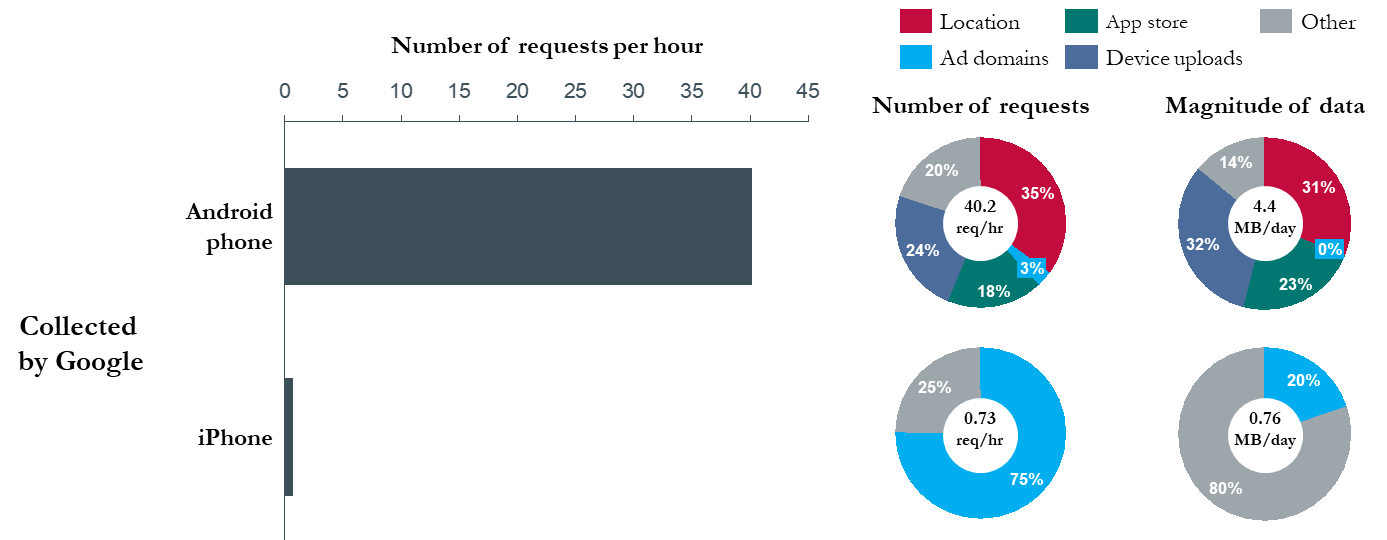
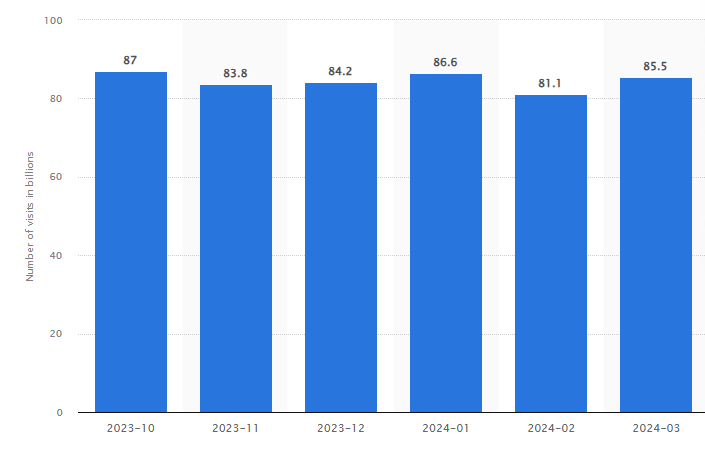
But still there are 5 billion Google users who made over 80 billion visits to Google.com every month. Why do these users keep using Google even though their data is being tracked and sold by Google? This economic enigma can be answered by three economic principles.
The first economic principle that answers this enigma is that benefits outweigh costs. Users receive many benefits from using services like Google search. First of all, they get most accurate results because of Google’s powerful search algorithm. The users instantly have access to a vast amount of information. Google also shows them a “People also ask” section that lists a series of related questions. Google also has extensive filtering options, and you can search for a specific file type, or results in a specific language, etc. Google search also comes with built-in tools, such as a calculator. There are related services, such as flights, Google Scholar, maps, shopping, and Books. Similarly, Microsoft offers AI searching capabilities with the [formerly] state-of-the-art AI models within its search and uses Open AI’s GPT-4 that has conversational abilities. Compared to the benefits they offer, users don’t mind the cost of using these search engines. The cost they have to pay the provider is zero, But they are compromising on their data and allowing their data is being sold or tracked.
The second economic principle that explains this enigma is that incentives matter. Microsoft offers Rewards loyalty program to users who use Bing search. Microsoft wants to gain market share and win over Google Search users desperately. Recently in late 2024, they offered a chance to win one million US dollars if users transition from their current search engine to Bing. Microsoft has several incentive programs to use Bing, and all you have to do is to use their search engine and allow them to track your data!
The third economic principle that helps answer this enigma is that decisions are made at the margin. Users who use Gmail, Google Drive, or Google products and services, are more likely to use one more service (thinking at the margin) from the same company. They are likely to stick to Google Search and not go to any other search engine or browser. They are logging on to Google products for email and storage, and it makes sense to use one more service from Google. Similarly, those who use Microsoft products would tend to use Bing as that would be their go-to place for the apps they use.
There are plenty of articles and videos on the web that discusses how Google tracks users. Inspite of this, Google is so popular that it has become synonymous with searching the web. Instead of saying “I searched for it” when it comes to searching the web, we usually say “I Googled it.” Microsoft’s Bing is not as widely used as Google, but it comes second in popularity. This economic enigma of search engines shows us how users are willing to trade-off their privacy to use the tools we for convenience and efficiency.